Yarn & structure
Confirm fibre type, yarn construction and weave against the medium, temperature and operating conditions.
HENGVO / Production & Quality
Understanding how a filter is made is the first step towards specifying it well. A closer look at production, inspection and the information that makes an order clear.
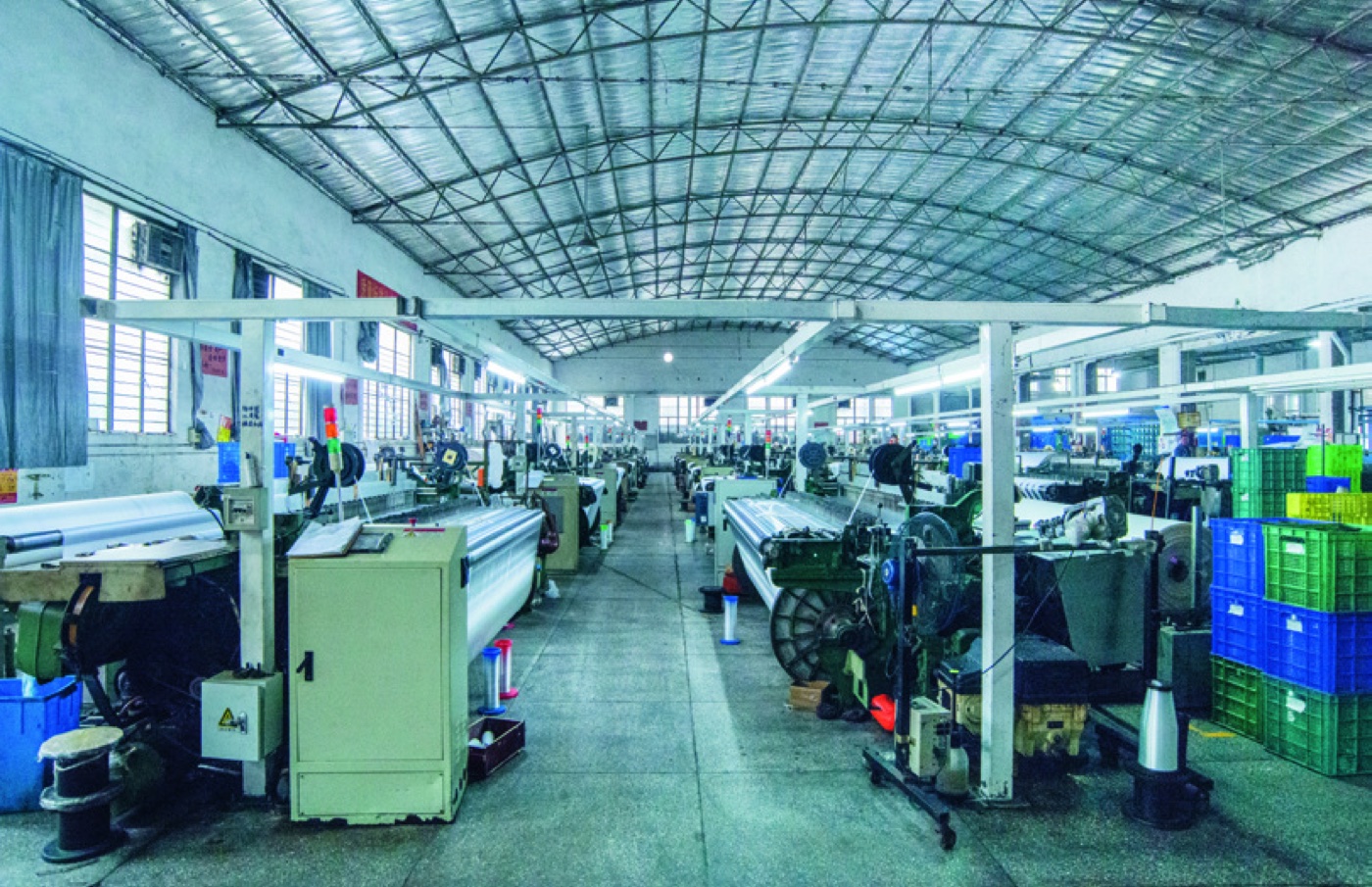
Weaving workshop
Process reference photographs: Tianyuan catalogue, pp. 6–8. These depict the original manufacturer’s facilities, not HENGVO-owned premises.
01 / Production logic
The route depends on the selected material and construction. Woven cloth, needle felt and finished bags use different processes; the following sequence explains woven filter-cloth production.
Confirm fibre type, yarn construction and weave against the medium, temperature and operating conditions.
Warp and weft construction determine the fabric structure. Compare the full specification, not only the fabric weight.
Heat setting and surface treatment influence dimensional stability, surface character and cake release. Specify the required finish.
Translate the equipment drawing into finished dimensions, feed holes, necks, seams and reinforcement.
Agree the acceptance criteria, identification and packaging before production. Link the order to its confirmed specification.
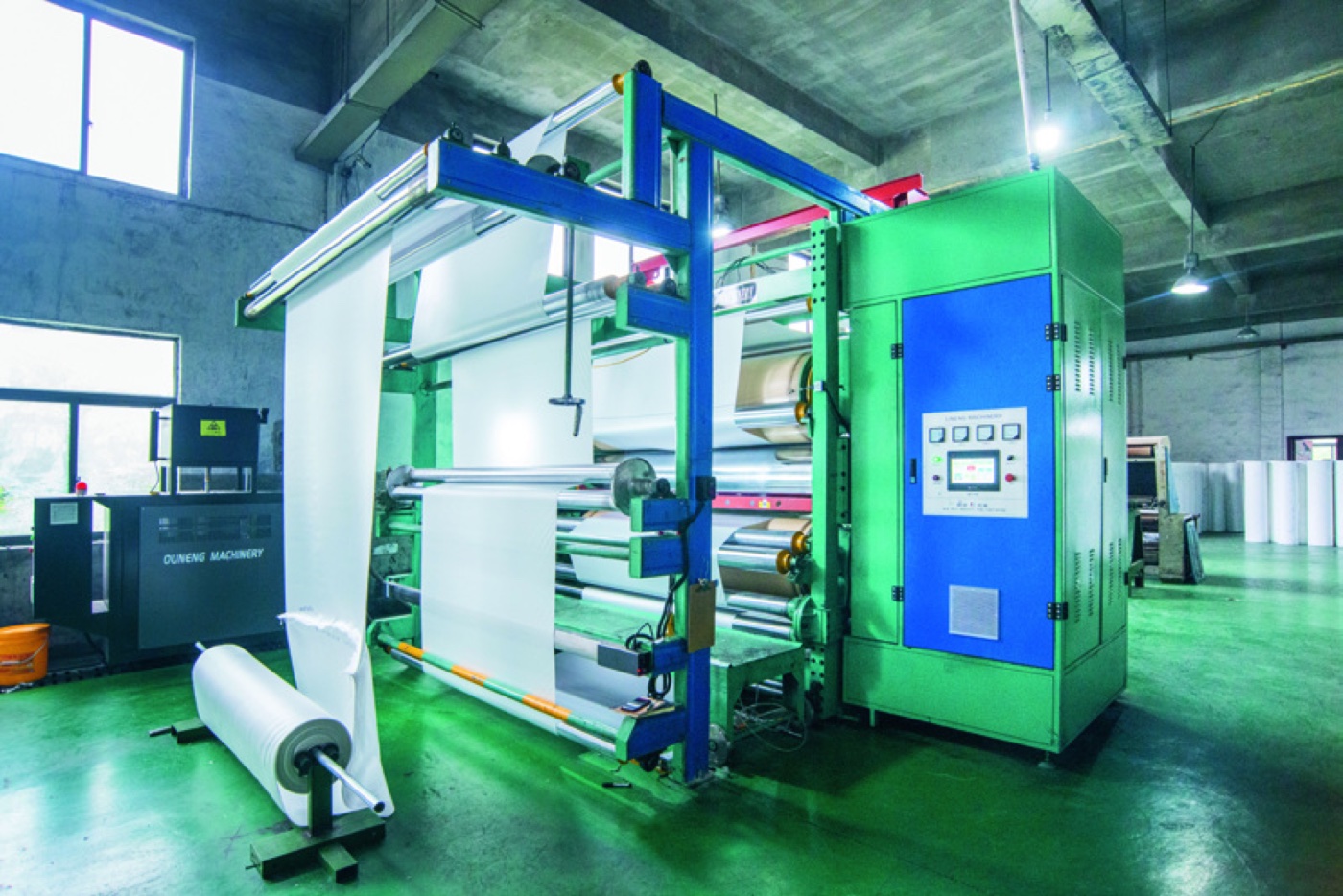
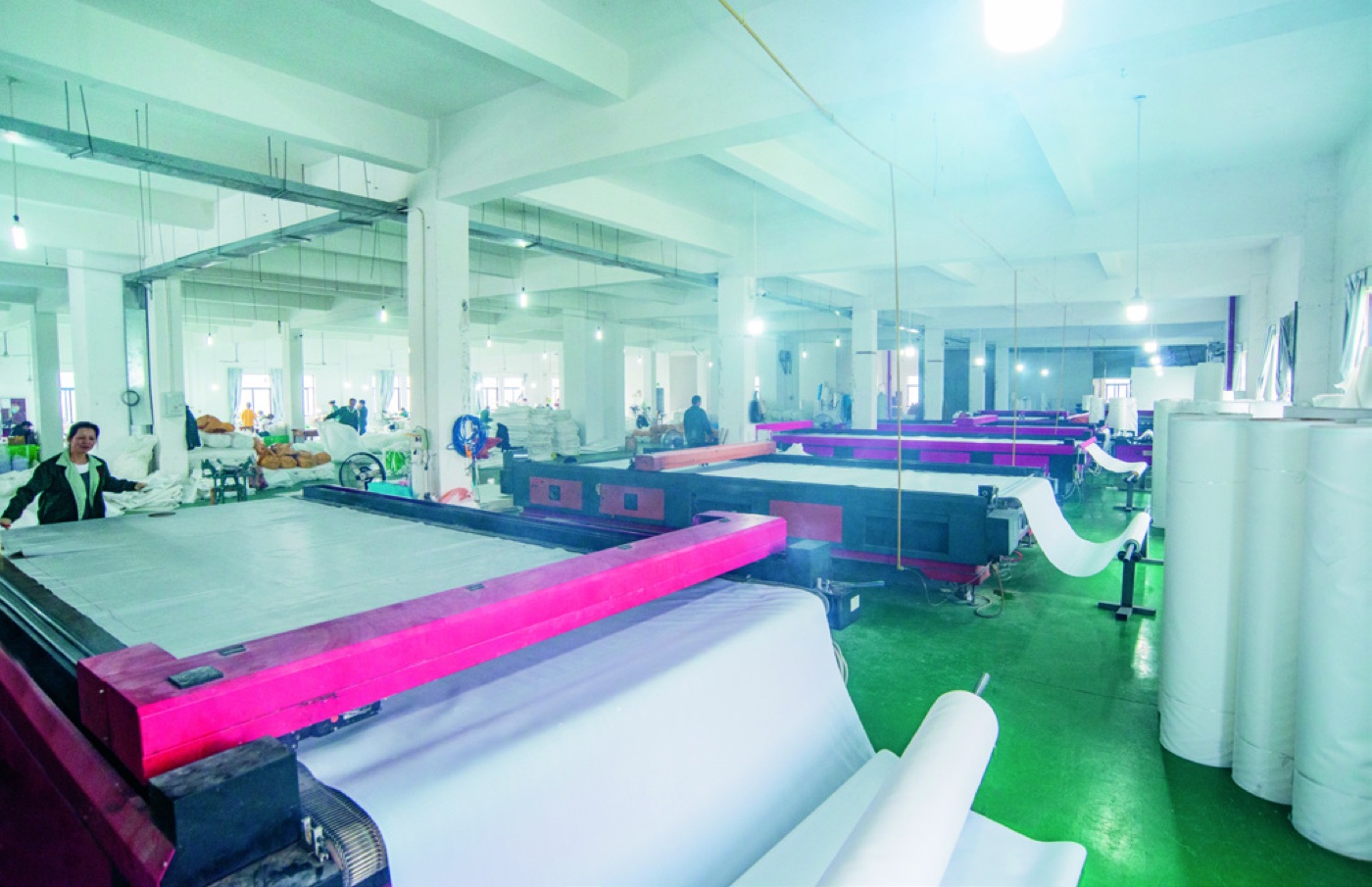
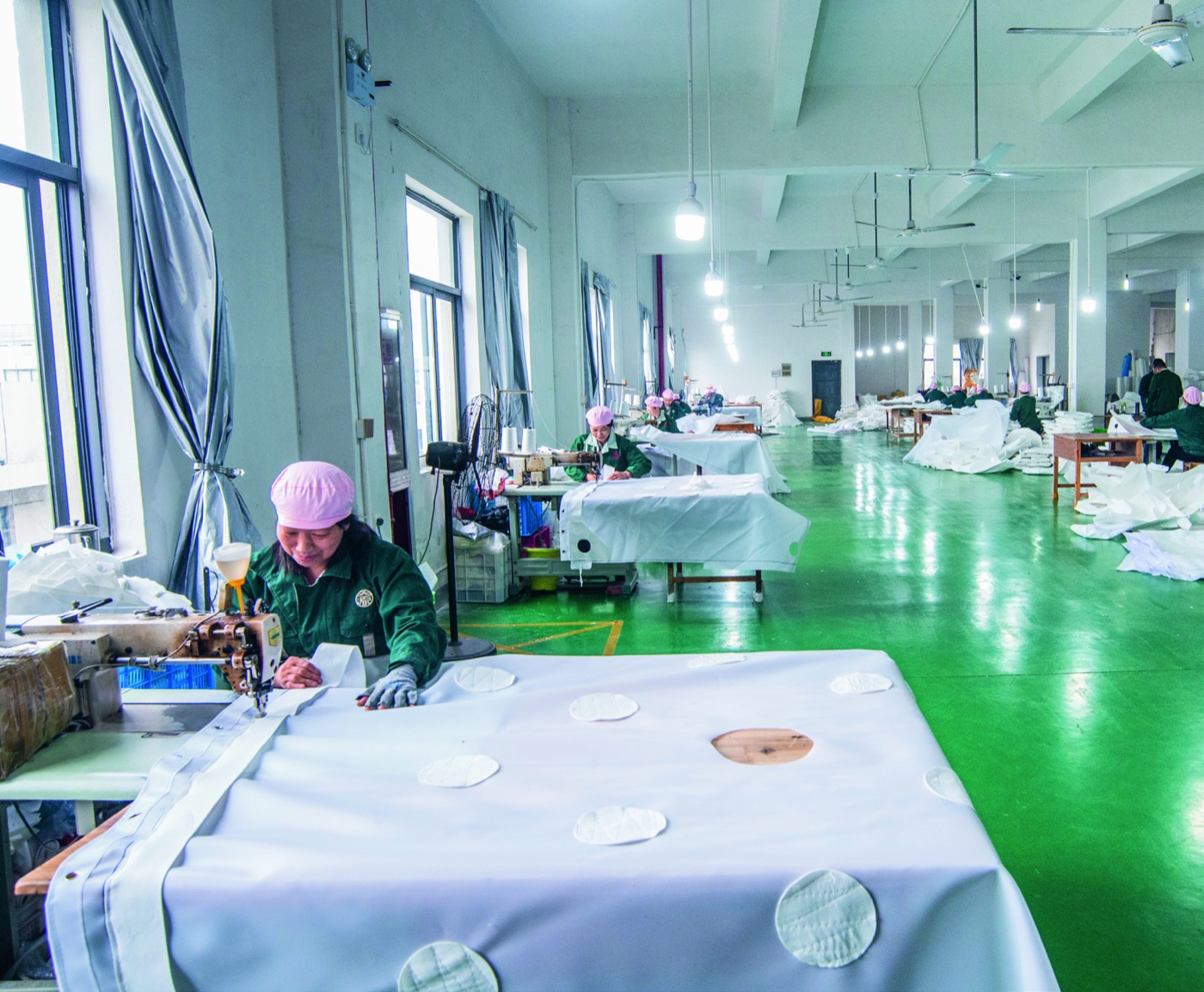
Process reference photographs: Tianyuan catalogue, pp. 6–8. These depict the original manufacturer’s facilities, not HENGVO-owned premises.
02 / Define quality
A useful inspection plan says what to measure, how to measure it and what will be accepted. Confirm the required checks and records for each order.
| Check | Record | Why it matters |
|---|---|---|
| Dimensions & construction | Weight, thickness, width, finished size and agreed tolerances. | A comparable specification and a correct equipment fit. |
| Mechanical properties | Warp/weft tensile strength and elongation; test method and units. | Assessment against installation and mechanical loads. |
| Permeability & filtration | Air-permeability test pressure, area and units; process-trial results. | Comparable data. Air permeability alone is not a micron rating. |
| Fabrication & appearance | Hole positions, seams, reinforcement, rings and surface condition. | Installation compatibility and consistent finishing. |
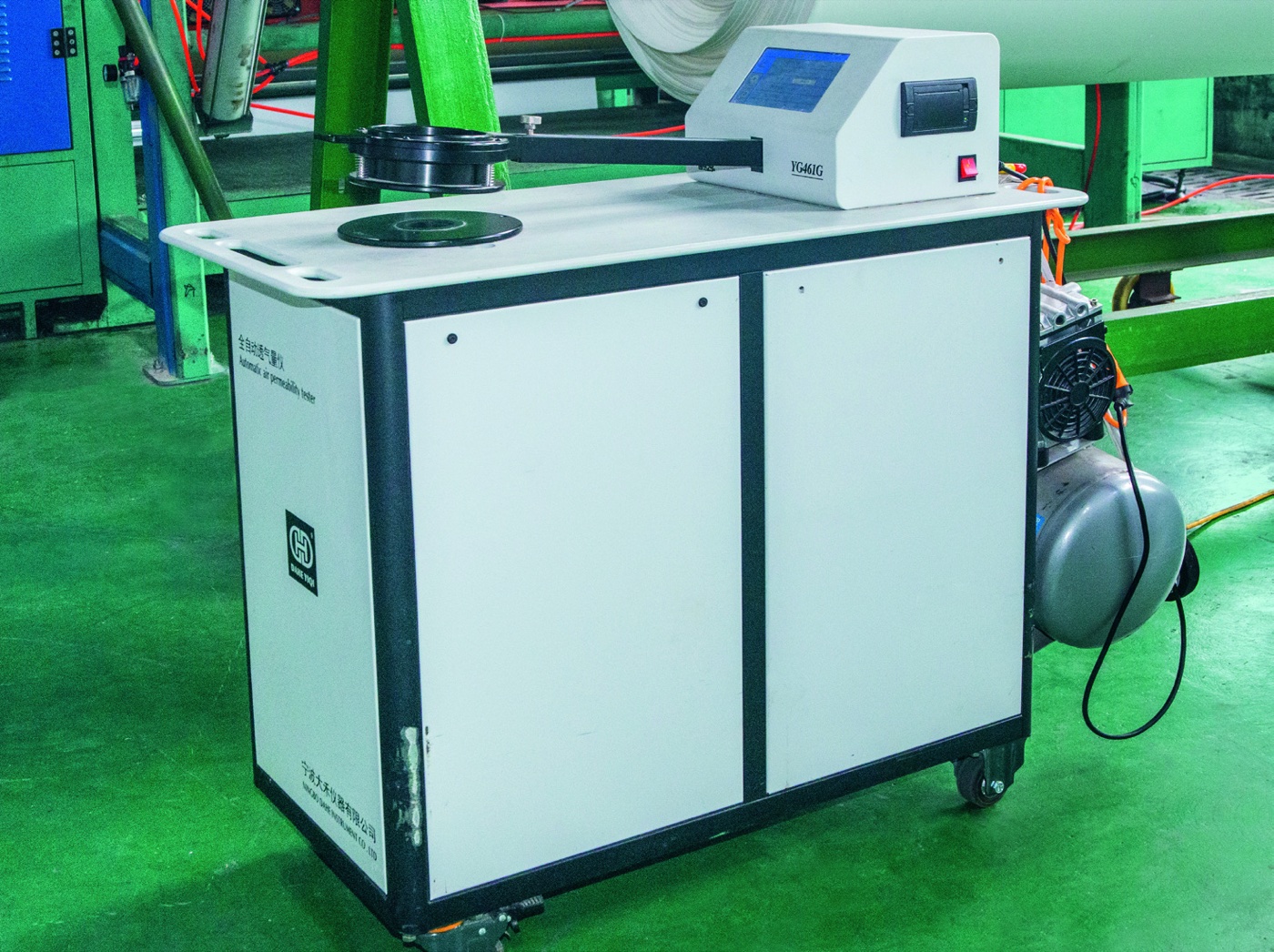
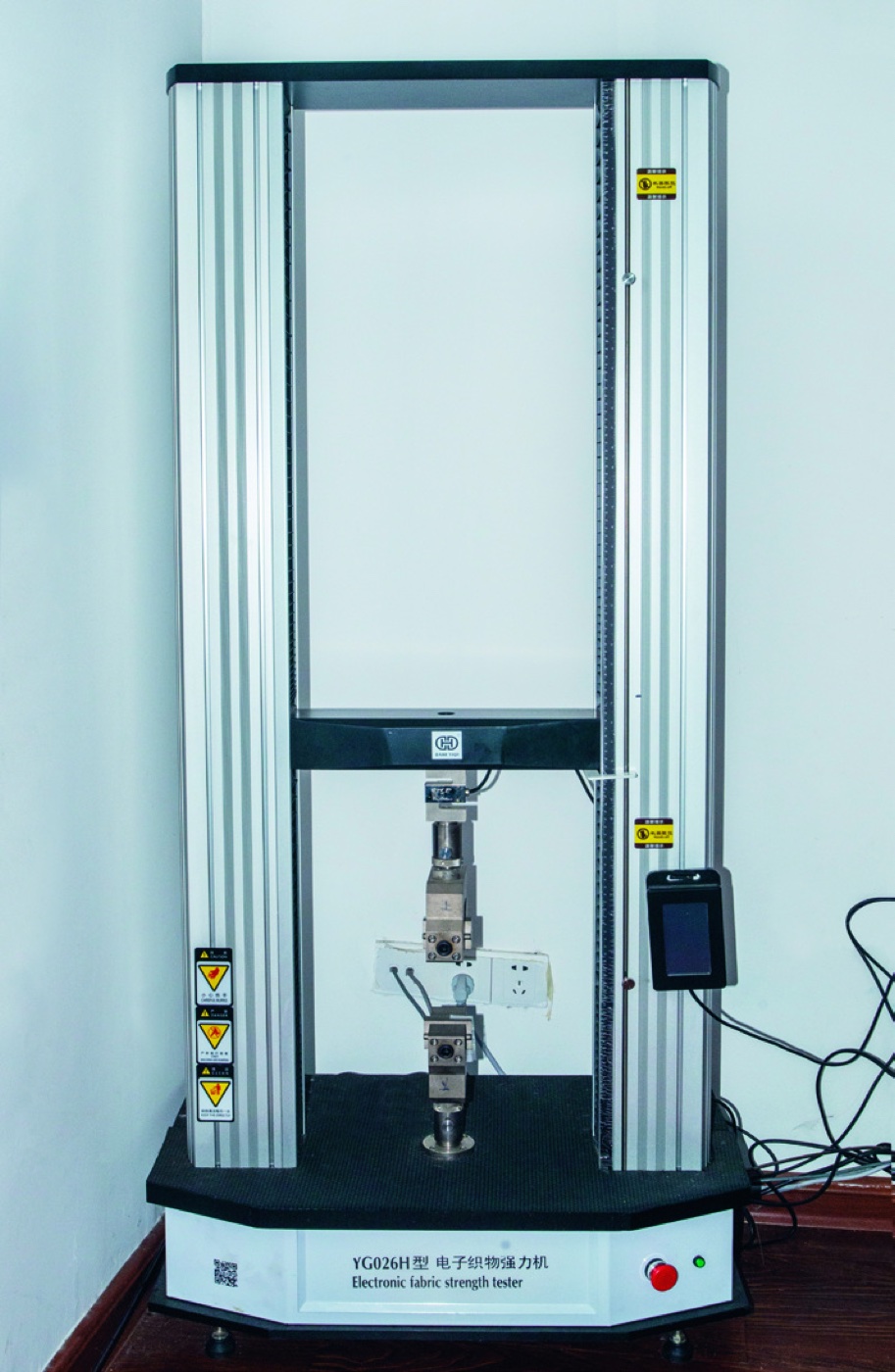
Process reference photographs: Tianyuan catalogue, pp. 6–8. These depict the original manufacturer’s facilities, not HENGVO-owned premises.
03 / Order documentation
Agree the documents needed for your application before placing an order. Reports and certificates must match the product, issuing body and scope concerned.
Record material, construction, finish, dimensions, tolerances and drawing revision.
Identify the sample and record the agreed evaluation: fit, filtrate quality, cycle time and cake release.
Agree inspection results, batch or order identification, quantity, labels and packing details.
No. Two fabrics with the same weight can have different yarns, weaves, finishes and permeability. Compare the existing sample, full specification and operating conditions.
No. It describes airflow under stated test conditions. Particle retention depends on the medium, the fluid and the filtration process. A process trial is needed to evaluate suitability.
Check installation, sealing, filtrate quality, throughput or cycle time, cake release and cleaning. Agree the evaluation criteria before moving to a production order.
Only its stated scope applies. Check the holder, product or sample, method, date and validity. Ask for the specific document your application requires.
A practical checklist for a replacement cloth or a new filtration project. Complete what you know, then discuss the remaining points with Colin.
START A CONVERSATION
HENGVO / CHINAShare the equipment drawing, process conditions and performance target. Include the current sample or specification when replacing a filter medium.
Email technical requirements